What Is Ceremonial-Grade Matcha? Why We Serve It Hot, Iced and Bottled
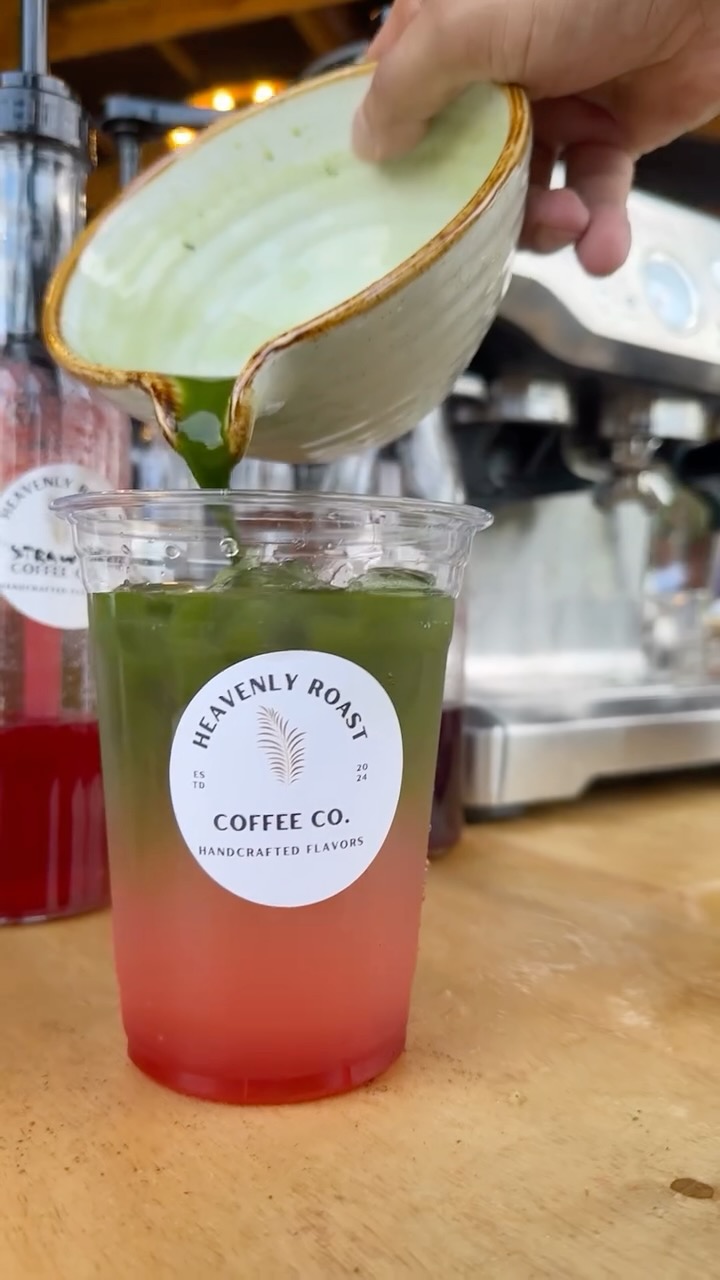
In short: Ceremonial-grade matcha is the top grade of matcha: young, shade-grown green tea leaves with the stems and veins removed, stone-ground into a fine powder. It is brighter green, smoother and less bitter than culinary-grade matcha, which is why we use it for every matcha drink on the Heavenly Roast cart.
Matcha has become the drink half the guests at any event are hoping to see. But “matcha” on a menu can mean very different things, and the difference is almost always the grade of the powder.
Ceremonial grade vs. culinary grade
- Ceremonial grade comes from the youngest leaves of the first harvests. It’s vivid green, naturally sweet and grassy, and meant to be drunk.
- Culinary grade comes from later harvests. It’s more astringent and duller in color, which is fine inside a muffin and noticeable in a latte.
The easy tell at a coffee bar is color. A ceremonial matcha latte looks bright green, not olive or brown, and it doesn’t need a lot of sugar to taste good.
How we make a matcha latte at the cart
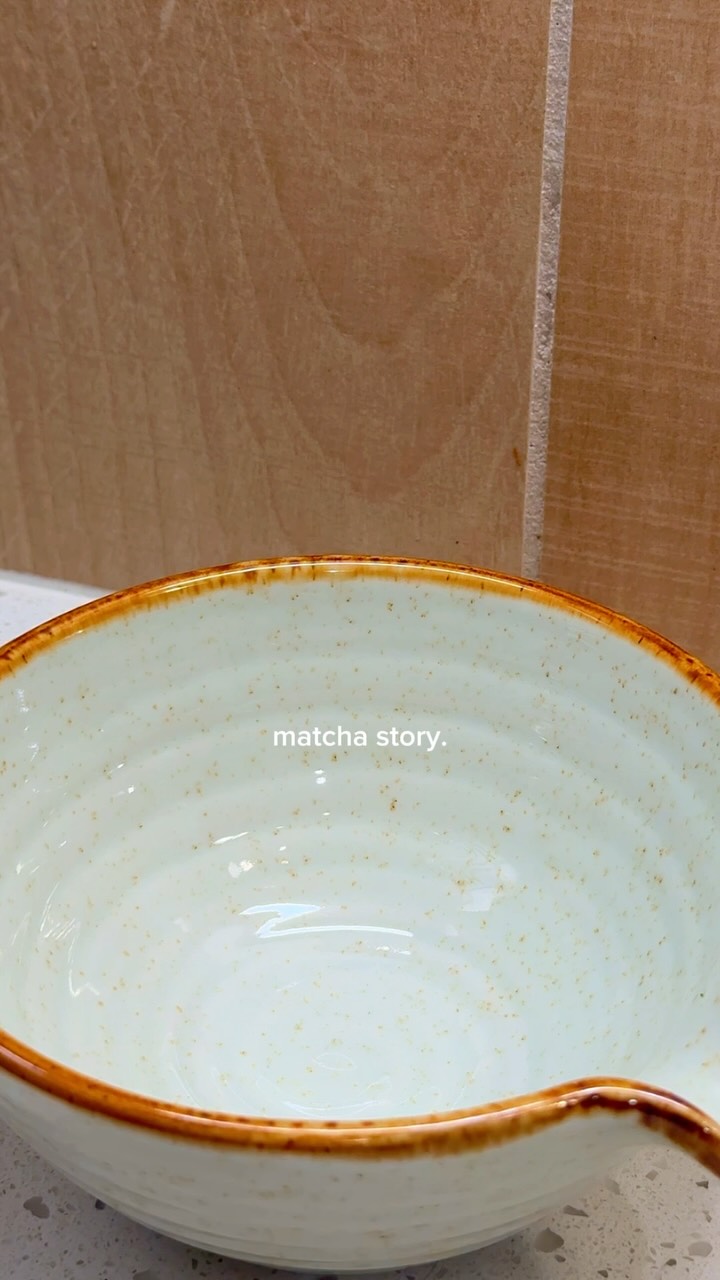
- We sift and whisk the matcha into a small amount of water so there are no clumps.
- We add your choice of homemade syrup, if any: vanilla bean, pure maple, lavender honey, strawberry, blueberry, pistachio and more.
- We finish it with steamed milk for hot, or pour it over milk and ice for iced. Oat and other dairy-free milks are always available.
Our vanilla bean and maple matcha lattes
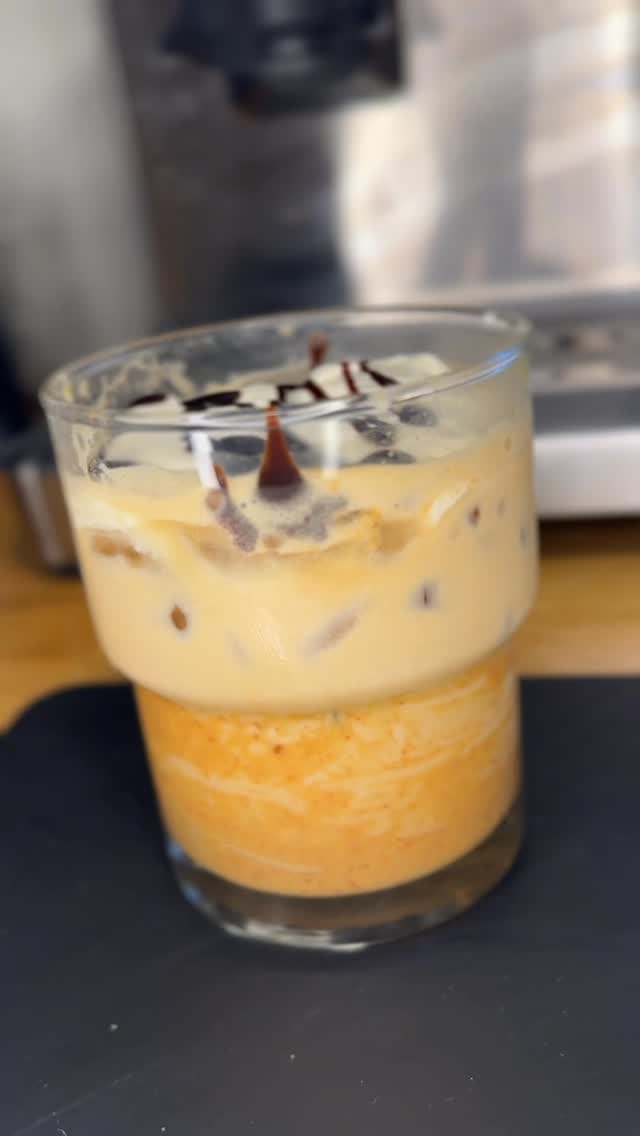
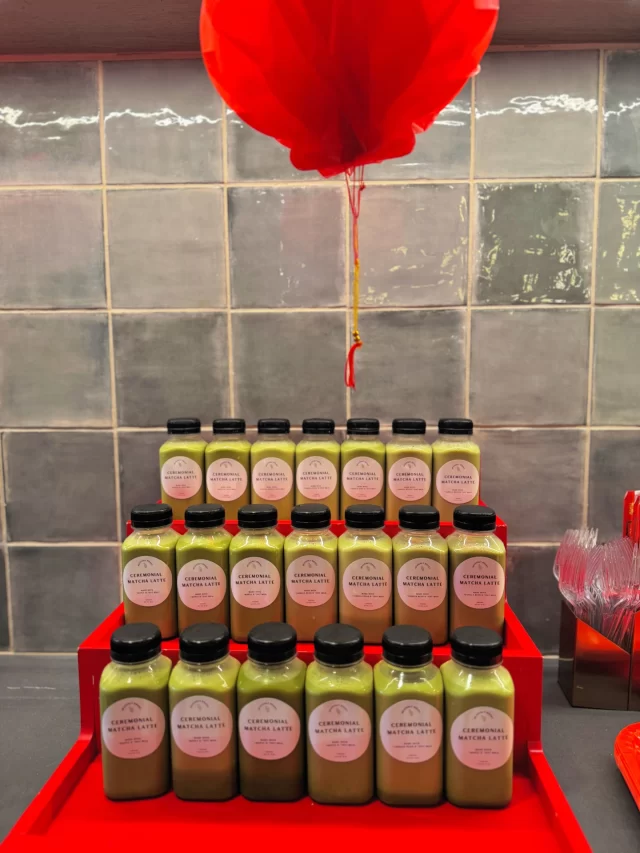
For one recent private event, the host asked for something guests could take home. We made bottled ceremonial-grade matcha lattes in two flavors, vanilla bean and maple, using simple organic ingredients and no GMOs. Bottled matcha and bottled lattes are now on our menu for client gifts, pop-ups and office events where people want to grab and go.
Does matcha have caffeine?
Yes. Matcha contains caffeine, generally less than a double-shot espresso latte. It also contains L-theanine, which is why many people describe matcha as a steadier, calmer lift than coffee. If caffeine is a concern for some guests, add a non-caffeinated option like our strawberry refresher or lemonade to the menu.
Matcha at your event
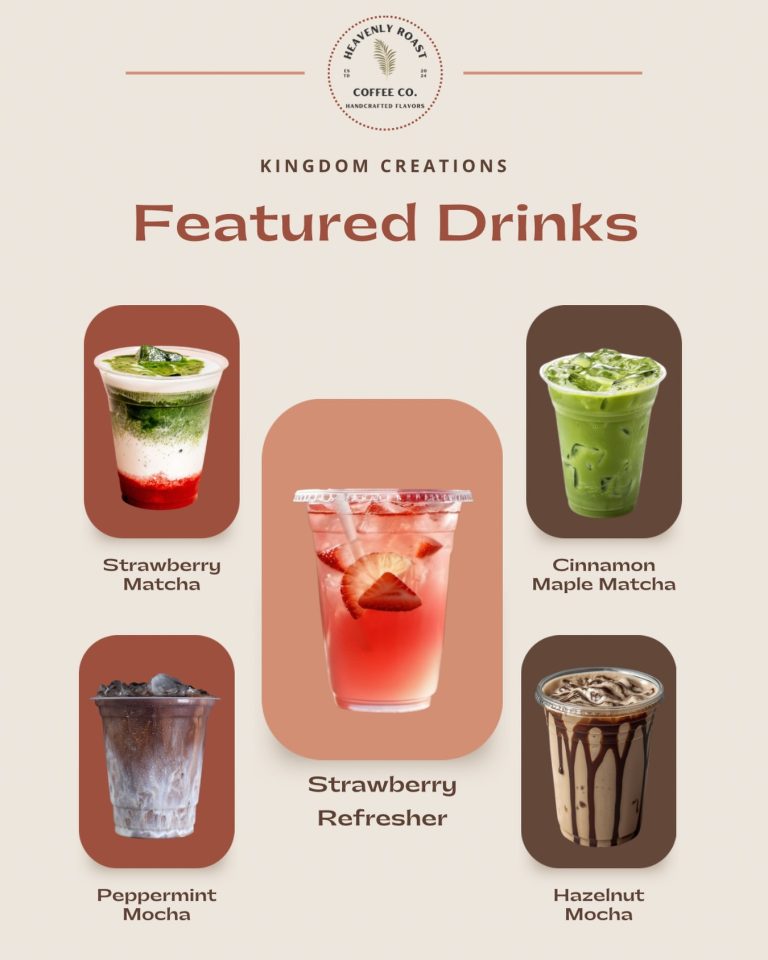
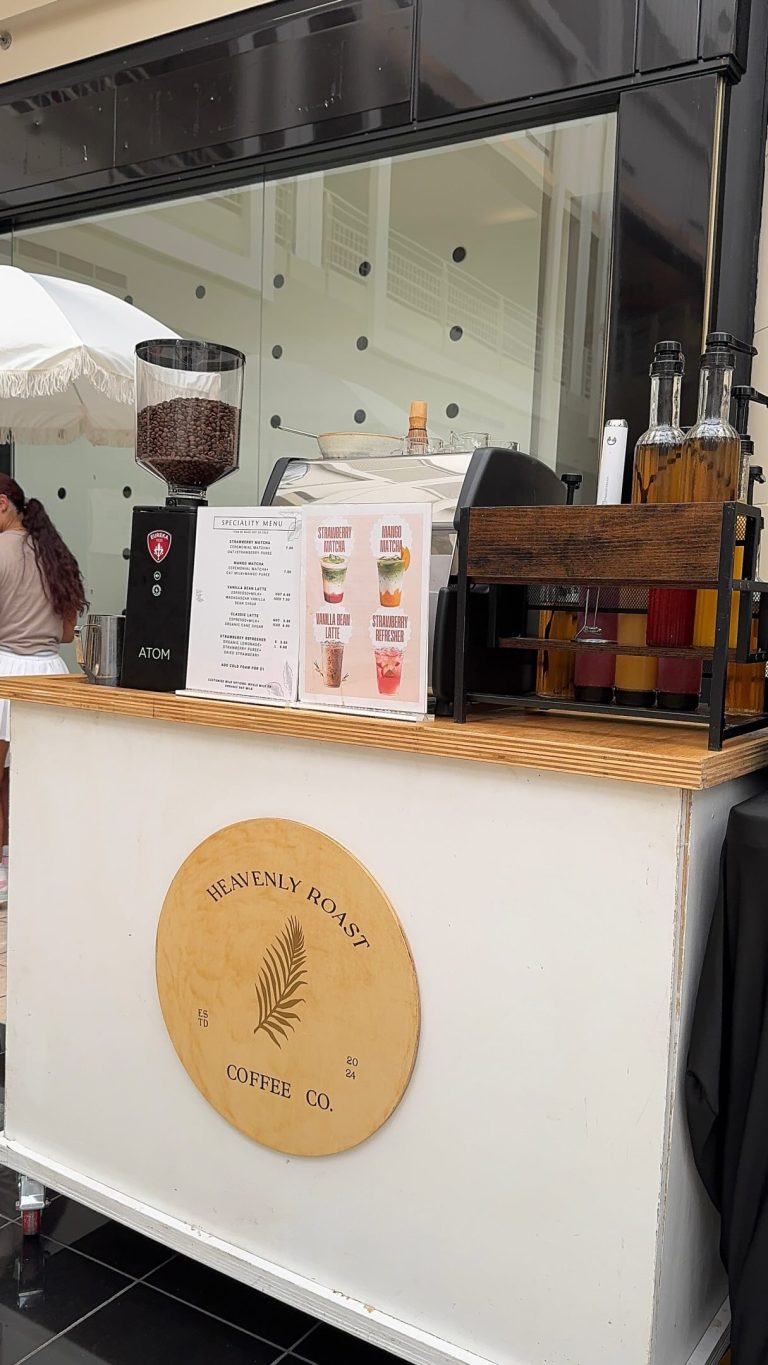
We bring a full matcha latte bar to weddings, showers, offices and markets across Central Florida, on its own or alongside espresso. Popular event matchas include strawberry, lavender honey, salted maple and pistachio. See them in our Kingdom Creations Market recap.
Matcha questions
Is your matcha organic?
Yes, we use premium organic ceremonial-grade matcha.
Can I order a matcha-only bar?
Yes. Matcha-only bars are popular for bridal showers and wellness events.
Can matcha be served hot?
Every matcha drink can be made hot or iced.
How to read a matcha label
Not every label is honest, but these clues help:
- “Ceremonial grade” usually means it’s meant for drinking.
- “Culinary grade” is meant for baking and cooking.
- Country of origin. Most high-quality matcha comes from Japan.
- Color. If you can see the powder, it should be bright green.
How much matcha goes in a latte?
Most matcha lattes use about one to two grams of matcha, which is roughly half a teaspoon to one teaspoon. Using too much makes the drink bitter. Using too little makes it taste weak and milky.
How to store matcha
Matcha loses flavor when it’s exposed to air, light and heat. Keep it sealed in a cool, dark place. Many people keep it in the fridge once it’s opened. Try to use it within a month or two.
Is ceremonial matcha worth it?
If you drink matcha on its own or in a latte, yes. The difference in taste is easy to notice. If you are baking matcha cookies, culinary grade is fine and costs less.
Frequently asked questions
What is the difference between ceremonial and culinary matcha?
Ceremonial matcha is made from younger leaves and tastes smoother. Culinary matcha is more bitter and is meant for cooking and baking.
Where does the best matcha come from?
Most high-quality matcha comes from Japan.
How should matcha taste?
Smooth, slightly sweet and a little earthy. It should not taste harsh or bitter.
Does Heavenly Roast use ceremonial matcha?
Yes. We use organic ceremonial-grade matcha in every matcha drink.
See it on Instagram
Follow @heavenlyroastcoffee for new drinks and pop-up dates.
Keep reading
Planning an event in Central Florida?
Send us your date, venue and guest count. We’ll check the calendar and build your menu. Se habla español.